Hip Replacement Recovery Timeline: Week-by-Week Guide (2026)
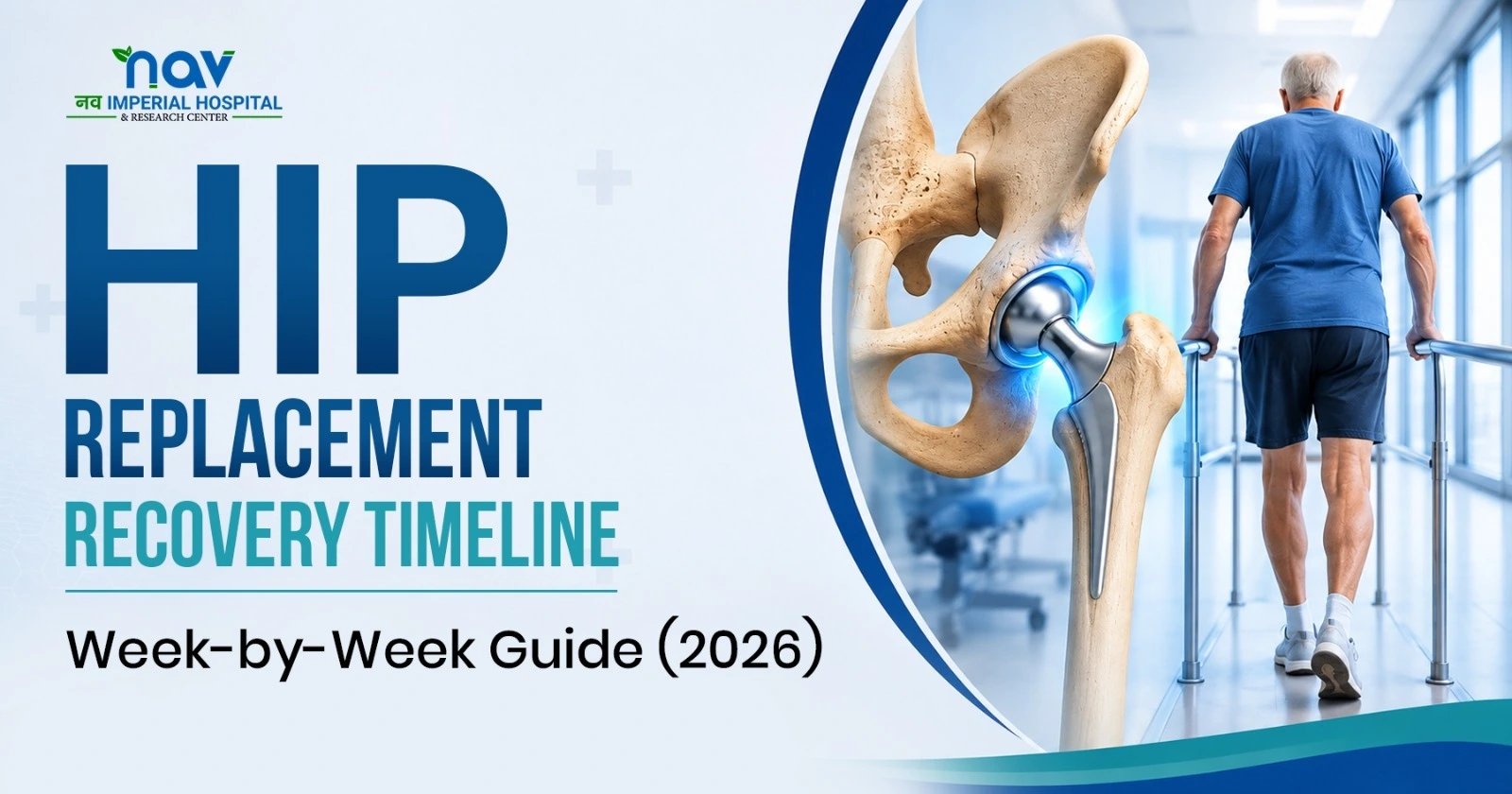
Can you travel a few weeks after hip replacement surgery? Travel after hip replacement depends on your recovery, the type and length of travel, and your surgeon's advice. Short trips may be possible for some patients, but longer travel should be discussed with your doctor first. Hip replacement recovery time isn't the same for everyone. It depends on your condition, how the surgery went, and what your surgeon signs off on. Physiotherapy, general health, and how consistent you are with your exercises all shape how fast you get back to normal. To help you recover quickly and effectively, this guide covers what to expect week by week, from day one after surgery through the six-month mark.
Most people start walking with help within 24 hours of surgery. Pain and swelling ease up over the first week as mobility improves with physiotherapy. Light activities are typically able to return to the table by 6-8 weeks. Full recovery takes longer, sometimes a few months, and is dependent on age, health, and adherence to the rehab program. Take care to follow the surgeon's advice and not miss the sessions of physiotherapy.
How Long Does Hip Replacement Recovery Take?
Most patients usually feel better after 6 to 12 weeks of hip replacement surgery. Complete recovery occurs between 3 and 6 months, depending on a person's health status, age, and willingness to rehabilitate properly. Also note that hip replacement recovery time varies from patient to patient, which is why setting realistic expectations early on matters so much.
Factors Affecting Recovery
Numerous factors influence how quickly you can recover. The following list features all the major elements involved in the process:
Inflammation Peaks During Rest
Cortisol, your body's built-in anti-inflammatory, drops to its lowest point overnight. With less of it around, inflammatory chemicals get a freer hand to build up near the joint. That's a big reason arthritis pain tends to flare once you're lying still.
Poor Sleeping Position
Twist the knee, bend it at an odd angle, or squeeze it between the mattress and your partner's leg for six hours straight, and that pressure adds up. What starts as a minor ache can turn into something sharp enough to wake you.
Reduced Joint Lubrication
Movement keeps synovial fluid, the knee's natural lubricant, circulating properly. Stay still for hours, and that circulation slows down, so the joint feels stiffer and achier, especially if arthritis is already in the picture.
- Age, since young patients have fewer difficulties resolving the problems with the pain in the surgically altered joint than older people
- General health and health disorders patients have before the surgery
- Muscle strength and overall physical condition before the operation
- Weight and load put on the newly created joint
- Prior activity level
- Observance of post-op instructions provided by surgeons
Importance of Physiotherapy
Physiotherapy is one of the best predictors of successful recovery after a hip replacement surgery. Strictly following the recommendations of a physiotherapist regarding physical activity and pain control protects you from complications during the recovery period.
Individual Variation
No two cases of recovery will be identical, even among those who had an identical operation done. Recovery speed depends on the patient's age, health condition, and observance of the physiotherapy instructions. After a few weeks of surgery, some people may begin to walk without any major support, or some may need a few more weeks or months to recover.
Hip Replacement Recovery Timeline: Week by Week
This stage-by-stage breakdown makes the healing process easier to follow at a glance. Here is how the timeline typically unfolds:
| Recovery Stage | What to Expect? |
|---|---|
| Day 1 | First steps with walker support |
| Week 1 | Swelling and pain start easing |
| Week 2 | Steadier movement |
| Weeks 3–4 | Longer walking distances possible |
| Weeks 5–6 | Light daily activities resume |
| Weeks 7–12 | Strength and flexibility keep improving |
| 3–6 Months | Recovery after hip replacement surgery reaches near-complete function |
Day 1: What Happens Immediately After Surgery?
Immediately following the joint replacement surgery, you will be transferred to the recovery room where a team of medical professionals will monitor your post surgery progress. A nurse takes your blood pressure and pulse all day and administers pain medication if needed.
Later that same day, a physiotherapist will usually get you up and walk a few steps with a walker or crutches. It sounds early, but getting up helps blood flow and lowers the chance of clots forming. This early mobilisation is a standard part of recovery after hip surgery at most modern orthopaedic centres, since it reduces the risk of complications like blood clots and stiffness.
Week 1: Early Recovery
The first week is primarily one of pain relief, wound maintenance and increasing mobility gradually. There is some swelling and some pain here, and that's normal. It is a gradual process of settling, taking time and proper care. The pain can be relieved by ice packs and medication, and a walking frame provides support when walking.
Some tips that can be helpful this week:
- Follow the instructions for taking pain medication and apply ice to reduce swelling.
- Walk a little several times a day, using your walker or crutches.
- Do not allow the incision to get wet or soiled, and do not apply undue weight or pressure to the incision.
- Keep blood moving through simple movements, such as ankle pumps.
- Visit all follow-up appointments.
Week 2: Building Strength and Confidence
By week two, things start feeling noticeably better. Pain eases up, you feel steadier on your feet, and you can likely handle small daily tasks on your own. Physical therapy also picks up pace here. You'll move past the basic steps into exercises that build actual strength. Your doctor may add in some hip replacement exercises that work the glutes and thighs, using stabilisers to help the joint hold up over the long run.
Weeks 3–4: Regaining Independence
Progress becomes more noticeable around this point in recovery. You may begin climbing stairs one step at a time during this stage of hip replacement rehabilitation. This usually happens once a surgeon confirms enough hip strength has returned. After three or four weeks of surgery, you may feel more comfortable sitting in a chair. However, you still should avoid crossing your legs and bending past 90 degrees.
Weeks 3–4: Regaining Independence
Progress becomes more noticeable around this point in recovery. You may begin climbing stairs one step at a time during this stage of hip replacement rehabilitation. This usually happens once a surgeon confirms enough hip strength has returned. After three or four weeks of surgery, you may feel more comfortable sitting in a chair. However, you still should avoid crossing your legs and bending past 90 degrees.
You may walk with less support. Life after hip replacement begins to shift toward normal as you may feel less discomfort around your hips and be able to perform daily household tasks such as cooking a meal.
Weeks 5–6: Returning to Normal Activities
Once the fifth or sixth weeks have passed, you may travel to shorter distances for office work. You might also be able to drive. However, driving can only be resumed after getting permission from the doctor because both reflexes and hip strength need to be in good condition. Sleep quality also improves, since reduced pain allows longer, more comfortable rest periods.
Weeks 7–12: Advanced Recovery
Between 7 and 12 weeks, you may notice some signs of advanced recovery. Your hip muscles will get stronger, develop better stamina, and improve overall range of motion. Together, these improvements help to improve your confidence. This stage often marks a clear turning point in hip replacement surgery recovery, since day-to-day tasks start feeling far less effortful than they did in the early weeks.
Recovery After Three to Six Months
At this hip replacement recovery timeline, you may return to your pre-surgery self. You may be able to perform more routine activities, mobility improves, and experience some lifestyle improvements as there is less need for assistance to walk.
For a better recovery, follow top tips for a smooth recovery after hip replacement, such as good posture, stretches, and moving.
Factors That Affect Hip Replacement Recovery
Recovery from hip replacement surgery depends on a mix of physical and lifestyle factors. The table below breaks down which factors carry the most weight in determining hip replacement recovery speed:
| Factor | Recovery Impact |
|---|---|
| Age | Moderate |
| Overall Health | High |
| Physiotherapy | Very High |
| Weight | High |
| Activity Level | High |
| Nutrition | Moderate |
Recovery Tips for Faster Healing
Consistent hip replacement physiotherapy builds the foundation for a smoother, faster recovery timeline. The following tips cover the areas that matter most during this stage:
- Attend all physiotherapy appointments
- Have protein-filled foods for muscle healing
- Hydrate well to prevent swelling and improve blood flow
- Follow all hip precautions for the first six weeks carefully
- Get adequate sleep with proper hip position to avoid any unnecessary stress
- Move around the joint with short walks each day
- Do not rush into strenuous activity too soon
Understanding how these elements connect to the broader surgical process ties directly into everything you need to know about joint replacement.
Warning Signs During Recovery
Contact your orthopaedic surgeon immediately if you notice increasing pain, fever, excessive swelling, wound drainage, sudden difficulty walking, or shortness of breath. Also watch closely for the following signs during healing:
- Pain that keeps increasing instead of improving
- Fever above 38 degrees Celsius
- Excessive swelling beyond normal post-surgery puffiness
- Unusual drainage from the surgical wound
- Sudden difficulty walking after steady progress
- Shortness of breath, a medical emergency requiring immediate care
Common Questions About Hip Replacement Recovery
Here are the five questions to ask about hip replacement recovery:
- When can I walk?
- When can I climb stairs?
- When can I drive?
- When can I travel?
- When can I exercise?
Why Choose Nav Imperial Hospital for Hip Replacement in Jaipur?
Picking the best orthopaedic hospital in Jaipur for something like a hip replacement isn't a small decision, so here's what stands out about Nav Imperial Hospital.
- Experienced leadership: Dr Sachin Gupta runs the hospital. Over 22 years in practice, more than 6,000 joint replacements done.
- Modern surgical methods: Minimally invasive techniques and computer-assisted surgery with proper imaging. Smaller cuts, more precision, less time spent recovering.
- Round-the-clock support: Anaesthesia, ambulance and ICU all running 24/7. If something goes sideways after surgery, you're not stuck waiting.
- Clean, well-kept facilities: Operation theatres, ICUs and private wards stay clean and properly stocked.
- Personalised rehab: Physiotherapists who specialise in pain management build your recovery plan around what you actually need.
Conclusion
The recovery period following a hip replacement operation is a process that takes time. It helps you know what is supposed to happen during each phase and therefore set realistic expectations to minimise the risk of worrying unnecessarily. Consistency in physiotherapy, resting, and early detection of danger signs will always remain the key elements under a patient’s control. Some weeks may appear slower while others might be fast, but it is all part of the healing process.
Along with that, choosing the best hip replacement surgeon in Jaipur often means that surgical skill matters just as much as the rehabilitation support that follows.
Start Your Journey Towards Pain-Free Movement
To know about the hip replacement procedure or to get professional advice on recovery, you can talk to the orthopaedic experts at Nav Imperial Hospital, Jaipur for an individual treatment and rehabilitation plan.
Frequently Asked Questions
1. How long does hip replacement recovery take?
Most patients will see a good improvement within 6-12 weeks. Complete recovery may take 3-6 months depending on rehabilitation, health, and age.
2. When can I walk after hip replacement surgery?
Patients begin to walk at the time of surgery, most of the time with some support. With no assistance, walking usually starts in 3-6 weeks.
3. How long will I need a walker?
The majority of patients will use a walker for the first 1-2 weeks. Many then move on to using a cane for a further 2-4 weeks.
4. When can I drive after hip replacement?
Depending on the side they have had surgery on, you can start driving between 2-6 weeks after surgery. You can only return to driving with your doctor's confirmation.
5. Is physiotherapy necessary after hip replacement?
Yes, physiotherapy is really important if there is a need to regain strength and range of movement. If missed, it may considerably delay your recovery process.
6. What activities should I avoid during recovery?
You should avoid high-impact activities, deep bending, and crossing of legs.
7. How long does swelling last after hip replacement?
The swelling should decrease in a couple of weeks, but can persist for about two months. In this instance, ice, elevation, and activity are beneficial.
8. When can I return to work after surgery?
Depending on the type of work, it may be possible to return in 2-4 weeks. Some jobs may require 6 weeks or longer until the person is able to return to work because of the physical demands of the job.
9. What are the warning signs during recovery?
If there is an increase in pain, fever, swelling, or drainage of the wound, consult your doctor. Also, if there are any issues with walking or breathing, it is important to go to the doctor promptly.
10. Which hospital offers hip replacement surgery in Jaipur?
Nav Imperial Hospital offers experienced hip replacement surgery in Jaipur, led by a leading hip replacement surgeon in Jaipur, Dr. Sachin Gupta. The hospital provides complete surgical and rehabilitation support under one roof.